Dealing with a damaged or painful tooth can disrupt your daily life in ways you never expected. At Santa Paula Dental Care, our experienced team understands the anxiety that often comes with needing a tooth removed. Dr. Sam Park, DDS and Dr. Hannah Ahreum Kim, DDS provide gentle, effective extraction services that prioritize your comfort while protecting your long-term oral health. Our approach combines modern dental techniques with genuine compassion, ensuring you receive the care you deserve during what might feel like a stressful time.
Extraction
When Extraction Becomes Necessary
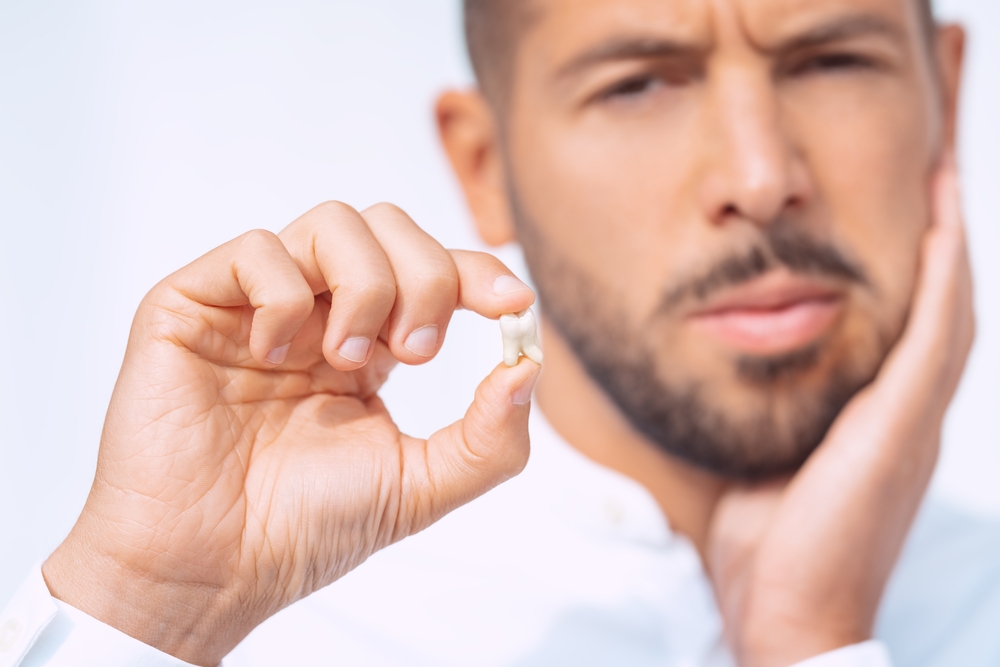
Sometimes a tooth reaches a point where saving it would do more harm than good. Severe decay can hollow out a tooth’s structure, leaving it vulnerable to painful fractures and infections that spread to surrounding tissue. Gum disease may destroy so much supporting bone that the tooth becomes loose and creates pockets where bacteria thrive. Impacted wisdom teeth can push against neighboring molars, causing crowding, pain, and an increased risk of cysts or damage to adjacent teeth.
Infections that penetrate deep into the tooth’s pulp can sometimes resist root canal treatment, especially if the infection has spread into the jawbone. Orthodontic treatment may require strategic removal of certain teeth to create space for proper alignment. Teeth broken beyond repair, whether from injury or extensive decay, often need extraction to prevent ongoing pain and protect your oral health.

Benefits of Tooth Extraction
Elimination of Jawbone Deterioration Risk
An infected or severely decayed tooth doesn’t just affect the visible crown above your gum line. The infection can eat away at the surrounding jawbone, creating hollow spaces that weaken your jaw’s structural integrity. Removing the diseased tooth halts this destructive process and gives your jawbone the chance to stabilize and potentially regenerate healthy tissue.
Resolution of Persistent Bad Breath and Taste
You might not realize that a failing tooth is the culprit behind chronic bad breath that doesn’t respond to brushing or mouthwash. Decaying tooth material and trapped bacteria produce unpleasant odors and tastes that linger throughout the day. Extraction removes this hidden source of embarrassment, giving you fresh breath and renewed confidence in social situations.
Prevention of Sinus Complications
Upper back teeth sit remarkably close to your sinus cavities, and an infected tooth in this area can lead to serious sinus problems. The infection can spread into the sinus cavity, causing persistent pressure, headaches, and recurring sinus infections that antibiotics can’t fully resolve. Removing the problematic tooth eliminates this pathway for infection and allows your sinuses to heal properly.
Reduction of Systemic Health Risks
Research continues to reveal connections between oral infections and broader health issues like heart disease, diabetes complications, and respiratory problems. Bacteria from an infected tooth can enter your bloodstream and affect distant organs and systems. Extraction removes this potential source of systemic inflammation, supporting your overall physical health beyond just your mouth.
Improved Sleep Quality and Reduced Headaches
A problematic tooth can cause referred pain that radiates to your jaw, temples, and neck, leading to tension headaches and nighttime teeth grinding. This constant discomfort disrupts your sleep patterns and leaves you exhausted during the day. Extraction eliminates the root cause of this pain cycle, helping you sleep better and wake up feeling more rested.
Our Dental Extraction Process

What Sets Our Practice Apart
Each extraction we perform balances efficiency with careful attention to preserving healthy tissue and bone structure. Dr. Sam Park, DDS and Dr. Hannah Ahreum Kim, DDS take the time to explain each step of the procedure in clear language, making sure you understand what’s happening and why. We recognize that having a tooth removed can feel overwhelming, so we create a calm atmosphere where you can ask questions freely and receive honest, straightforward answers.
You’ll never feel rushed through your appointment at Santa Paula Dental Care, and we adapt our approach based on how you’re feeling throughout the process. Our commitment extends beyond the procedure itself—we provide thorough aftercare instructions and remain available to address any concerns that arise during your recovery period. This personalized approach ensures you feel supported from your initial consultation through complete healing.
Restore Your Oral Health with Confidence!
Don’t let a problematic tooth continue affecting your quality of life and oral health. Delaying necessary extraction can lead to more serious complications and extended treatment down the road. Early intervention protects your surrounding teeth and makes the entire process simpler and more comfortable for you.
Dr. Sam Park, DDS and Dr. Hannah Ahreum Kim, DDS at Santa Paula Dental Care are ready to provide the gentle, professional extraction services you deserve. You can reach our office at 805.525.3375 to schedule your consultation at a time that works with your schedule. Follow us on Facebook to see real patient experiences and stay updated on oral health tips. We’ll evaluate your specific situation, answer all your questions, and help you move forward with confidence toward better oral health.
FAQs
What to eat after tooth extraction?
Soft, cool foods work best for the first 24 to 48 hours after your extraction. Try yogurt, smoothies, mashed potatoes, pudding, applesauce, and lukewarm soups that don’t require chewing. Avoid hot foods, crunchy items, and anything with small seeds that could get lodged in the socket and disrupt the healing blood clot.
When can I eat solid food after tooth extraction?
Most people can gradually reintroduce solid foods three to five days after extraction, depending on how well they’re healing. Start with softer solids like scrambled eggs, pasta, or well-cooked vegetables before moving to harder foods. Avoid chewing directly on the extraction site until it’s fully healed, typically one to two weeks.
How long to keep gauze in after tooth extraction?
Keep the initial gauze pad in place with firm pressure for 30 to 45 minutes after your extraction. If bleeding continues, replace it with fresh gauze and bite down for another 30 minutes. Once a stable blood clot forms, you won’t need gauze anymore, though minor oozing is normal for 24 hours.
Can I drink alcohol 24 hours after tooth extraction?
You should avoid alcohol for at least 48 to 72 hours after your extraction. Alcohol can interfere with blood clot formation, increase bleeding risk, and interact negatively with pain medications. It also acts as a blood thinner and slows down your body’s natural healing process, potentially leading to complications like dry socket.
How long does a tooth extraction take?
A simple extraction typically takes 20 to 40 minutes from start to finish, including numbing time. More complex surgical extractions, such as impacted wisdom teeth, may take 45 minutes to an hour or longer depending on the tooth’s position and root structure. Your comfort and thorough care remain the priority throughout the procedure.